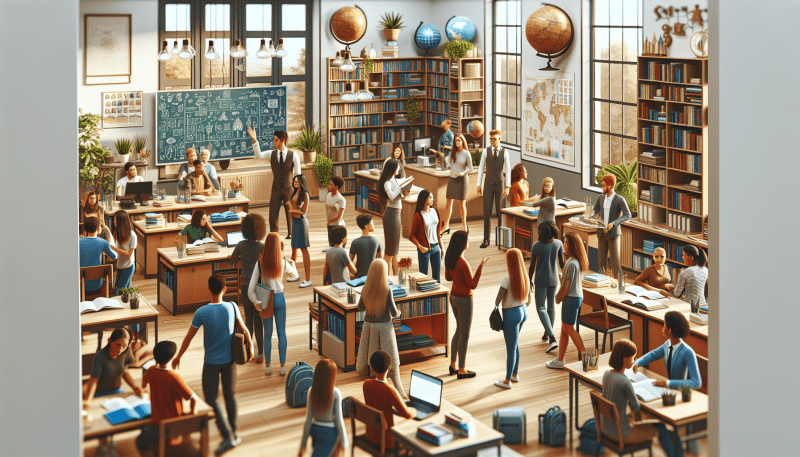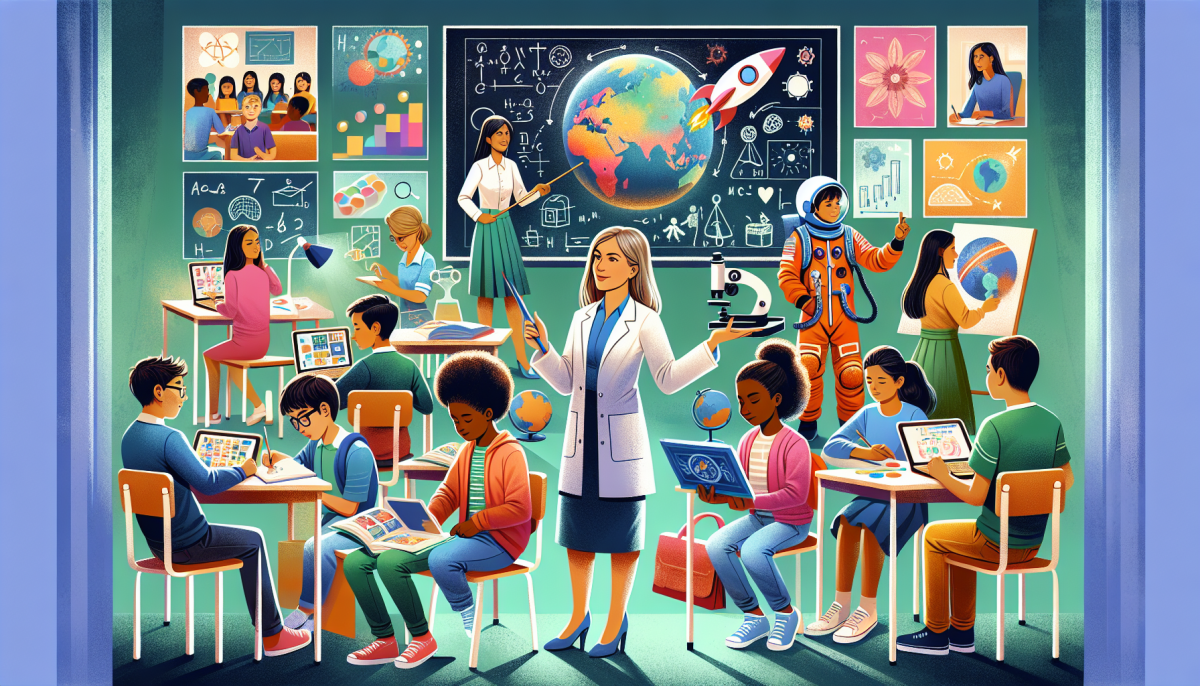
Every student learns differently, and that's what makes our classrooms so vibrant! Embracing a variety of learning experiences can help every child thrive. From hands-on projects to group discussions, it’s essential to mix things up and keep students engaged.
One fantastic way to enhance learning is through interactive technology. Think tablets, educational apps, and even virtual reality. These tools make lessons fun and can cater to different learning styles. For instance, visual learners might benefit from videos, while kinesthetic learners love getting hands-on with experiments.
Don’t forget about the power of collaboration! Group projects encourage teamwork and communication. When students work together, they can share ideas and learn from one another. Plus, it builds social skills that are crucial for their future.
Field trips and real-world experiences can also break the classroom routine. Whether it’s visiting a museum or exploring a science lab, these outings provide context and make learning memorable. It’s all about connecting lessons to the world outside the classroom!
Lastly, giving students choices in their learning can spark their creativity and motivation. Allowing them to pick their projects or topics keeps them invested. After all, enthusiastic learners are more likely to succeed!
Tailored Approaches to Meet Diverse Needs
Every student is unique, and that's what makes education so exciting! Tailored approaches in K-12 education focus on catering to the different learning styles, interests, and needs of each student. Instead of a one-size-fits-all method, schools are starting to recognize the importance of personalized learning paths. This means students can engage with materials in ways that resonate with them, be it through visual aids, hands-on projects, or group discussions.
One effective strategy is the use of differentiated instruction. Teachers might adjust the content, process, or product based on what each student needs. For example, a teacher could provide advanced reading materials for students who are ahead, while offering more hands-on activities for those who may struggle with traditional methods. This approach not only keeps students engaged but also helps them feel more confident in their abilities.
Technology also plays a big role in creating tailored learning experiences. With tools like online platforms and educational apps, students can learn at their own pace. If a student needs extra time to grasp a concept, they can revisit lessons or practice extra problems. On the flip side, those who grasp concepts quicker can move ahead, exploring new topics that interest them without feeling held back.
Finally, involving parents and caregivers in the process is crucial. Communication between teachers and families helps ensure that the support at home aligns with what’s happening in school. Regular check-ins and feedback can guide parents in helping their kids succeed. When everyone is on the same page, it sets the stage for a truly supportive learning environment.
Building Supportive Classroom Environments
Creating a supportive classroom environment is key to transforming K-12 education. It’s all about making sure that every student feels valued, included, and ready to learn. When students feel safe and accepted, they’re more likely to participate, take risks, and express themselves freely. Here are some simple yet effective strategies to help educators build that welcoming atmosphere.
First off, fostering strong relationships is crucial. Teachers should make an effort to get to know their students personally. This can be as simple as remembering names, learning about students' interests, or chatting with them about their favorite hobbies. When teachers show genuine care, it encourages students to open up and engage more deeply in their learning.
Another important aspect is creating an inclusive space. This means being aware of diverse backgrounds and learning styles. Incorporating a variety of teaching methods—like group work, hands-on activities, and visual aids—can help reach every type of learner. It’s also important to celebrate diversity by including different perspectives in lessons. This not only enriches the curriculum but also helps students appreciate each other's uniqueness.
Lastly, establishing clear expectations can help students feel secure. When kids know what’s expected of them, they feel more confident. Setting up classroom norms together can also give students a sense of ownership and responsibility. A well-structured environment allows for smoother transitions and clear communication, making it easier for everyone to focus on learning.
Empowering Teachers to Inspire Change
Teachers are at the heart of every classroom, and their role in inspiring change can't be overstated. When empowered with the right tools and support, they become catalysts for growth, not just for their students but for the entire educational system. It’s about more than just lesson plans; it's about igniting passion and curiosity in every child.
One of the biggest ways we can empower teachers is by providing ongoing professional development. Rather than one-time workshops, offering regular training sessions keeps teachers up-to-date on the latest teaching strategies and technologies. This creates a community of learners who are excited to experiment and implement new ideas in their classrooms.
Furthermore, having access to resources like teaching materials, technology, and collaborative tools makes a huge difference. Imagine a classroom where teachers can easily share insights, lesson plans, or even classroom management techniques with one another. This kind of collaboration encourages innovative teaching methods that can truly engage students.
Lastly, we need to recognize and celebrate the unique voices of teachers. Their feedback is invaluable when it comes to making changes in the education system. Listening to their experiences helps create policies that not only benefit teachers but also enrich the learning environment for every student.